%2Ffit-in%2F250x250%2Fguide_websites%2F833%2Fimages%2Fpetersantleyfishing.png&w=1920&q=100)
Rainbow Trout Fishing Adventure with Peter Santley
Rainbow Trout Fishing in Redding, CA
%2F%2Fusers%2F619b419f-8a49-4cbb-ab0f-30b044dba2fc%2Fimages%2Ffisherman-redding-rainbow-trout-2408.jpg&w=1920&q=75)
Rainbow trout are among North America's most prized gamefish, known for their stunning colors and spirited fights. These salmonids thrive in cold, clean waters with high oxygen content, making Redding's mountain-fed streams ideal habitat. - Native to Pacific Coast drainages from Alaska to Mexico. - Can live up to 7 years in wild populations. - Feed primarily on aquatic insects, terrestrials, and small fish. - Spawn in spring when water temperatures reach 50-60°F.
Guided Fishing Trip by Guide Peter Santley in December
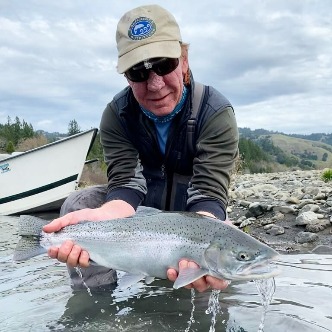
Meet your Guide Peter Santley
- California Fly Fishing Guides: Expert Anglers


Summary
Experience exceptional rainbow trout fishing in Redding, CA with Guide Peter Santley of Peter Santley Flyfishing. Our guided fishing trips showcase the pristine waters and abundant trout populations that make Northern California a premier destination for fly fishing enthusiasts. Whether you're casting dry flies on crystal-clear mountain streams or working nymphs through deep pools, Peter's local expertise ensures productive days on the water. From beginner-friendly instruction to advanced techniques for seasoned anglers, each trip is tailored to your skill level and fishing goals. Book your Redding fishing adventure and discover why these waters consistently produce memorable catches throughout the season.
Guided Fishing Trip with Peter Santley – Rates & Booking
Guide Peter Santley of Peter Santley Flyfishing offers personalized rainbow trout fishing experiences on Redding's premier waters. Each trip includes professional instruction, quality fly fishing gear, and access to productive local spots known for consistent trout action. Peter's intimate knowledge of seasonal patterns, insect hatches, and fish behavior ensures you'll be fishing the right flies in the right places. Trips accommodate all skill levels, from first-time fly casters to experienced anglers looking to refine their technique. Contact Peter directly to discuss rates, availability, and customize your Redding fishing adventure.
Highlights of Rainbow Trout Fishing in Redding
Redding's location at the confluence of the Sacramento River and surrounding mountain streams creates exceptional rainbow trout habitat. The area's diverse water types—from fast-flowing riffles to deep, slow pools—support healthy trout populations year-round. Spring and fall offer prime conditions with active fish and comfortable weather, while summer provides excellent early morning and evening fishing opportunities. The region's abundant insect life, including mayflies, caddisflies, and stoneflies, creates consistent feeding opportunities that keep trout actively rising to well-presented flies.
Peter's guided trips focus on reading water, proper fly selection, and presentation techniques that consistently produce results. You'll learn to identify productive water, match the hatch, and develop the casting skills needed for success on these technical waters. Each outing combines hands-on instruction with productive fishing time, ensuring you leave with both improved skills and memorable catches.
Local Species Insights: Rainbow Trout
Rainbow trout in Redding waters are known for their vibrant colors, aggressive strikes, and acrobatic fights. These fish thrive in the area's cold, oxygen-rich waters, feeding on a diverse diet of aquatic insects, terrestrials, and small baitfish. Local rainbows typically range from 10 to 16 inches, with occasional larger specimens exceeding 18 inches. Their opportunistic feeding behavior makes them excellent targets for both dry fly and nymph fishing techniques. During peak feeding periods, these trout become highly selective, requiring precise fly selection and presentation to fool educated fish in these well-fished waters.
Plan Your Fishing Charter Day
Your guided fishing trip begins with a thorough equipment check and brief orientation covering safety, local regulations, and fishing techniques. Peter provides high-quality fly rods, reels, lines, and an extensive selection of proven local fly patterns. Waders and boots are available for those who need them. Trips typically start early morning when fish are most active, though evening sessions can be equally productive during warmer months. Peter handles all licensing requirements and provides detailed instruction on catch-and-release practices to preserve these valuable fisheries for future generations.